Bryan Watson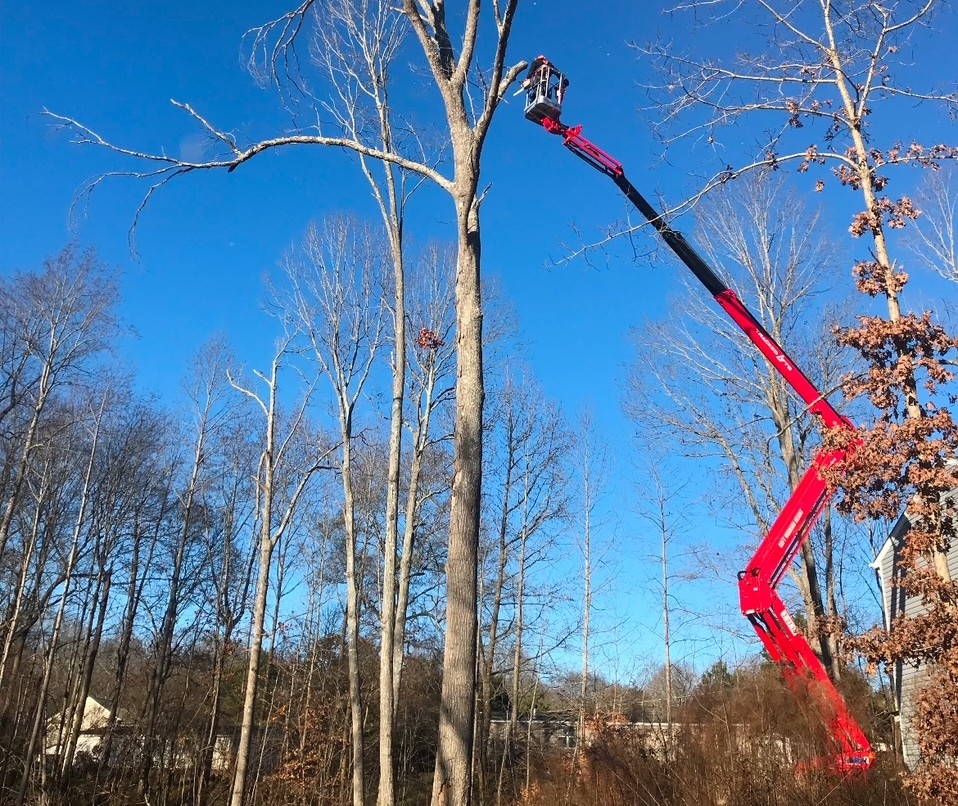
What is professional tree pruning?
Professional tree pruning is the careful removal of selected branches to support a tree’s health, structure, appearance, and surrounding safety. Unlike casual cutting, proper pruning requires an understanding of tree species, growth patterns, branch attachment, and seasonal conditions. When homeowners search for tree pruning near me, they are often looking for a practical way to address overgrown, damaged, or poorly positioned branches while preserving the natural character of their trees.
Contents
- What is professional tree pruning?
- Why is tree pruning important?
- How can pruning improve tree safety?
- When should trees be pruned?
- What branches usually require attention?
- Can pruning affect long-term tree growth?
- How does professional pruning differ from basic branch cutting?
- What should homeowners consider before arranging pruning?
Why is tree pruning important?
Regular pruning can help maintain a strong and balanced tree structure. Dead, broken, or weak branches may become hazards during storms or periods of strong wind. Removing problematic growth can reduce unnecessary stress on the tree and help direct healthy development.
Pruning can also improve airflow through the canopy. Better air movement allows foliage to dry more efficiently after wet weather and may create conditions that support healthier growth. A well-maintained canopy can also allow more natural light to reach areas beneath the tree.
How can pruning improve tree safety?
Tree safety is one of the primary reasons for professional pruning. Branches that extend over roofs, pathways, driveways, fences, or other structures can create potential risks if they become weak or damaged.
Professional assessment can identify branches with poor attachment, excessive weight, deadwood, or structural concerns. Appropriate pruning can then reduce specific hazards without unnecessarily removing healthy growth. This targeted approach is important because excessive cutting can weaken a tree and interfere with its natural development.
When should trees be pruned?
The ideal pruning schedule depends on the tree species, local growing conditions, tree condition, and the purpose of the work. Some trees respond well to pruning during dormant periods, while others may require a different approach.
Emergency situations should be addressed promptly when branches are damaged by storms, disease, or other unexpected events. Rather than following a universal calendar, property owners should consider the individual needs of each tree and obtain professional guidance when the correct timing is uncertain.
What branches usually require attention?
Pruning commonly focuses on dead, damaged, diseased, crossing, or poorly positioned branches. Growth that interferes with buildings, access routes, utility infrastructure, or other parts of the landscape may also require careful management.
However, not every unwanted-looking branch should automatically be removed. Healthy branches contribute to the tree’s structure and energy production. Professional pruning therefore aims to distinguish between growth that presents a genuine concern and growth that simply appears inconvenient.
Can pruning affect long-term tree growth?
Yes. Pruning decisions can influence how a tree develops over many growing seasons. Correct cuts can encourage a more stable structure and help manage competing or poorly positioned branches. In contrast, indiscriminate cutting may encourage weak regrowth or create large wounds.
For this reason, pruning should be approached as part of long-term tree care rather than simply a cosmetic task. Understanding the tree’s existing structure is essential before deciding what should be removed.
How does professional pruning differ from basic branch cutting?
Professional pruning involves assessment, planning, suitable equipment, and careful cutting techniques. The objective is not simply to reduce the size of the canopy but to address specific structural or health-related requirements.
A professional approach also considers the surrounding property. Branch movement, access, nearby structures, ground conditions, and safe removal methods all matter when pruning takes place at height.
What should homeowners consider before arranging pruning?
Property owners should first identify visible concerns such as dead branches, unusual growth, storm damage, or limbs interfering with structures. They should also consider whether the tree has recently experienced environmental stress.
A professional inspection can provide a clearer understanding of the tree’s condition and help determine whether pruning is appropriate. With thoughtful maintenance and regular observation, trees can remain attractive, functional, and better prepared to withstand changing environmental conditions.
Key Takeaways
- Professional tree pruning involves the careful removal of selected branches to support a tree’s health, structure, and safety.
- Regular pruning helps maintain a strong and balanced tree structure while reducing hazards from dead or weak branches.
- Pruning can improve airflow through the canopy, allowing foliage to dry more efficiently and supporting healthier growth.
- The timing of tree pruning should be determined based on the specific tree species and individual tree needs rather than a universal schedule.
- Pruning decisions can impact a tree’s long-term growth, as correct cuts encourage stability while excessive cutting can lead to weak regrowth.
- Homeowners should assess visible concerns and consider recent environmental stress on the tree before arranging for professional pruning.