Bryan Watson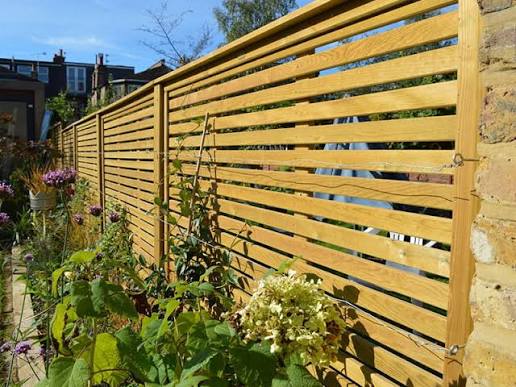
Most people worry about their garden fence when the wind starts blowing.
After decades working with fencing, I tend to look at the ground first.
A long dry spell can cause problems that aren’t immediately obvious. Soil hardens, clay contracts and small gaps can develop around posts and concrete foundations. Everything might still look straight in August or September. Then autumn rain arrives, the ground softens again and a fence that seemed perfectly solid suddenly starts moving.
I’ve seen this often enough on jobs around West Yorkshire. Homeowners searching for fencing near me will sometimes blame the first windy night of autumn for a leaning fence when the real problem started weeks earlier during dry weather.
The storm simply exposed it.
Clay Soil Moves More Than People Expect
Anyone who has spent much time digging around Leeds will know how variable the ground can be.
Heavy clay is common.
When it’s wet, it becomes sticky, heavy and awkward to work. During a prolonged dry spell, that same ground can become incredibly hard. I’ve had summer jobs where getting through the first few hundred millimetres feels more like breaking concrete than digging soil.
The important part is what happens as moisture levels change.
Clay expands when it absorbs water and contracts as it dries. A fence post sitting in that ground goes through the same cycle year after year.
Properly installed posts can handle it.
Marginal ones often can’t.
If a post was too shallow in the first place, repeated ground movement gradually loosens it. You might only be talking about a few millimetres initially, but fencing gives the wind a huge surface to push against.
Once there’s movement at the bottom, leverage does the rest.
September Can Be Deceptive
Early autumn is an interesting time for fencing.
Gardens can still feel like summer. The ground may remain fairly dry and people aren’t thinking about winter repairs yet.
That’s exactly when I’d inspect a fence.
Walk along the boundary and give each post a firm push. You’re not trying to wrestle it out of the ground. You’re checking for movement.
A good post should feel solid.
If you can see the base moving independently of the surrounding ground, something isn’t right.
Check the gates too.
A gate that suddenly catches on paving or doesn’t meet the latch cleanly can be one of the first signs that a post has shifted.
People often adjust the hinges and forget about it.
Sometimes that’s fine.
Sometimes they’ve just hidden the warning sign.
Concrete Footings Can Hide Problems
Concrete doesn’t guarantee a strong fence.
I’ve removed plenty of failed posts surrounded by huge lumps of concrete.
The problem wasn’t the amount used. It was how it had been installed.
Post depth matters.
For standard domestic fencing, around 600mm is a common starting point, but exposed sites, taller fencing and difficult ground can require more. A fencing contractor should make that decision based on the actual garden rather than blindly digging every hole to exactly the same depth.
I’ve found old posts barely 350mm or 400mm into the ground.
They probably looked absolutely fine on installation day.
The trouble starts later.
Dry ground contracts away from the concrete. Water then finds its way into the gaps when rain returns. Repeated movement slowly reduces support around the footing.
Eventually the whole lump of concrete starts rocking.
At that stage, adding another bag of post mix around the top usually achieves very little.
Autumn Rain Can Expose Summer Damage
This is where people get caught out.
After weeks of dry weather, heavy rain changes the ground quickly.
Cracks close.
Clay swells.
Soft areas become saturated.
Water follows any channels that have opened around fence posts.
A fence can start behaving very differently within a short period.
I’ve visited gardens where homeowners swear the fence was solid a fortnight earlier.
They’re probably right.
The change isn’t always gradual enough to notice.
Once autumn winds arrive at the same time as wetter soil, weaknesses become obvious. Panels rattle. Posts move. Gates drop.
Then one particularly gusty night finishes the job.
The weather gets blamed, but the underlying weakness was already there.
New Fencing Needs Proper Groundwork Too
Dry conditions don’t only affect old fences.
They can make new fence installation harder.
Extremely dry clay can be difficult to excavate cleanly. It breaks into hard chunks and can tempt inexperienced installers into making holes shallower than they should be.
That’s a mistake.
If the design requires a certain post depth, that’s the depth you need.
Ground conditions don’t get a vote.
This is where proper fence installation becomes more important than the panel style sitting above ground.
Customers understandably spend time choosing between featheredge, decorative panels, slatted fencing and composite systems.
I spend far more time thinking about what will hold them upright.
Nobody photographs the post holes.
They’re still the important bit.
Timber Posts Need Particular Attention
Timber posts can last extremely well.
They can also fail surprisingly quickly when conditions work against them.
The vulnerable area is often around ground level.
Water runs down the post, organic material collects around the base and moisture remains trapped against the timber. If soil or planting has been raised around it, the problem becomes worse.
Dry weather doesn’t cause rot directly.
What it can do is create small cracks in timber and surrounding soil. When wet weather returns, moisture gets into those areas.
Repeated wetting and drying takes its toll.
Pressure-treated timber offers good protection, but treatment doesn’t make wood indestructible.
I occasionally see homeowners painting or staining the visible part of a fence religiously while the base of every post is buried under wet soil.
They’re maintaining the wrong bit.
Gravel Boards Need Checking
Gravel boards do a fairly boring job.
That’s why they’re useful.
They keep fence panels away from wet ground and take the punishment at the bottom of the fence.
During dry weather, soil can pull away from them. When rain returns, loose soil, mulch and leaves can wash into the gap.
Over time the level around the fence creeps upwards.
Suddenly a timber gravel board that originally sat clear is half buried.
That’s asking for trouble.
Have a look along the fence line before winter. Clear away soil and vegetation where necessary and make sure water has somewhere sensible to go.
Five minutes with a spade can prevent a surprisingly expensive repair.
Don’t Ignore Small Amounts of Movement
There’s a difference between a fence having a tiny amount of natural flex and a post moving in the ground.
Panels will move slightly in strong wind.
Posts shouldn’t rock around at the base.
One loose post doesn’t necessarily mean the entire fence needs replacing either.
This is where early intervention matters.
A competent fence repair near me service may be able to replace or strengthen the affected section while the remaining fencing is still sound.
Leave it and the forces spread.
One moving post places extra pressure on the next. Rails start pulling against fixings. Panels twist slightly out of square.
Eventually what started as one weak post becomes three damaged bays.
That’s an expensive way of avoiding a small repair.
Slatted Fencing Needs Careful Thought in Exposed Gardens
Modern slatted fencing looks excellent in the right setting.
I’m less enthusiastic about it when people choose a system purely because they saw one online.
Wind exposure matters.
So does orientation.
Some slatted designs allow considerably more airflow than solid panels, which can be useful in exposed gardens. Others have narrower gaps and behave more like a solid screen.
The post specification has to match.
Dry, moving ground combined with a tall boundary and significant wind loading isn’t something I’d take lightly.
A fence can look delicate and modern above ground while needing very substantial support underneath.
There’s nothing contradictory about that.
Composite Doesn’t Remove Ground Problems
Composite fencing avoids many of the maintenance issues associated with timber, particularly rot and regular staining.
It doesn’t change the soil underneath.
That’s worth remembering when comparing composite fencing cost with conventional timber.
You’re buying a different fencing material, not immunity from poor groundwork.
Posts still need to be secure.
Levels still matter.
Drainage still matters.
Thermal movement also needs to be allowed for because composite materials expand and contract differently from timber.
I’ve seen people spend heavily on premium materials and then economise on installation.
I’d do the opposite before I’d do that.
Check Your Fence Before The First Proper Storm
You don’t need specialist equipment.
Walk the boundary.
Push the posts.
Open and close the gate.
Look along the top of the fence rather than directly at it. Changes in level become much easier to spot from that angle.
Check for cracked rails, loose boards and fixings beginning to pull out.
Look around the post bases after rain.
If water sits there for hours, ask why.
Also pay attention to plants. Mature ivy and other heavy climbers can add enormous weight to fencing, particularly when they’re wet.
A fence that copes perfectly well with the plant during summer can struggle once autumn rain adds weight and strong winds arrive.
The Ground Usually Tells You What’s Coming
After enough years installing and repairing fencing, you learn that dramatic failures often begin with fairly boring problems.
A shallow hole.
Poor drainage.
A slightly loose post.
Soil piled too high against timber.
None looks particularly serious on its own.
Then seasons keep changing.
Dry ground contracts. Rain returns. Clay expands. Wind pushes against the panels thousands of times.
Eventually something gives.
That’s why I’d rather inspect fencing during a dry spell than wait until January when half a panel is lying across the lawn.
For homeowners unsure about an ageing boundary, checking the areas covered by local fencing contractors before winter can also make sense. Getting a questionable post looked at while it’s still standing is usually easier than arranging an emergency repair after a storm.
A strong garden fence isn’t really tested on the day it’s installed.
It’s tested by ten summers, ten winters and everything the ground does between them.
Get the work below ground right and most of what happens above it becomes much easier to manage.

 Harold Kelly